Striking the Earth: How Taiko Drummers Are Amplifying the Call for Environmental Justice Across America
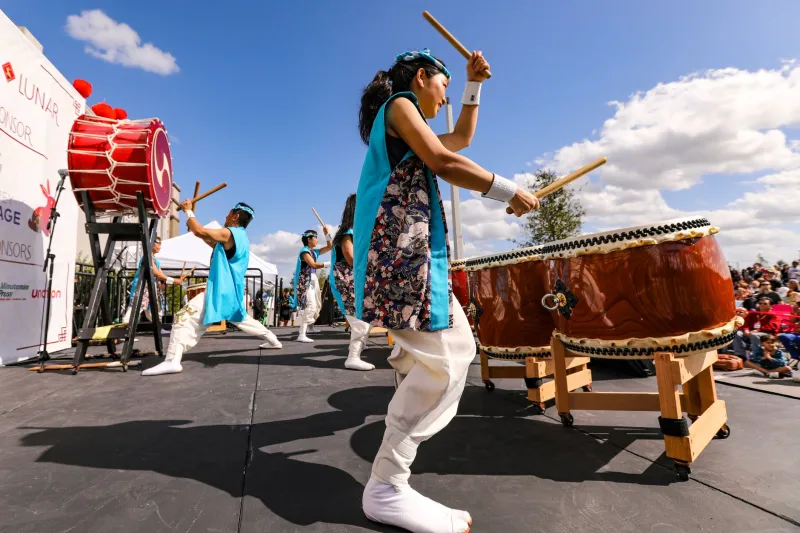
The sound arrives before the signs. Before the chants, before the banners unfurl against a gray Pacific Northwest sky, the taiko drum speaks — its deep, resonant strike rolling across a crowd gathered at the edge of a threatened watershed. For many who hear it for the first time in this context, the experience is disorienting in the most clarifying way. This is not a concert stage. This is a front line.
Across the United States, a quiet but unmistakable convergence has taken shape over the past decade. Taiko drumming — rooted in centuries of Japanese ceremonial and communal tradition — has found an unlikely but deeply fitting home within the American environmental movement. Activist drummers from Seattle to western North Carolina are carrying their instruments to protests, land preservation rallies, and climate fundraisers, using the physical force of percussion to communicate what words sometimes cannot.
An Instrument Rooted in the Land
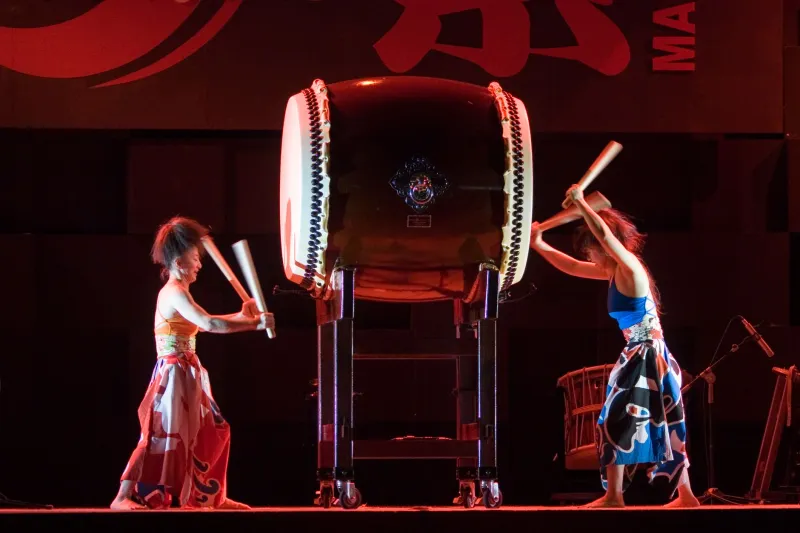
To understand why taiko has resonated so profoundly with environmental advocates, it helps to consider the drum's origins. Traditional Japanese taiko were crafted from the hollowed trunks of zelkova or cedar trees, their heads fashioned from cowhide and stretched taut with painstaking care. The instrument was never merely a musical tool; it was a vessel shaped by the natural world, designed to speak to communities across great distances.
That material relationship with the earth is not lost on the drummers who now bring taiko to environmental gatherings. "When I strike the drum, I am aware of what it is made from," says Keiko Tanaka, a Portland-based taiko practitioner who has performed at multiple Pacific Northwest climate rallies over the past four years. "There is something honest about using an instrument born from a tree to speak on behalf of trees."
This philosophical alignment has proven to be more than symbolic. Environmental organizations have reported that taiko performances at outdoor events draw larger and more emotionally engaged crowds than almost any other musical offering. The drum does not require amplification. It does not compete with wind or rain. It simply carries.
Indigenous Partnerships and Shared Stewardship
Perhaps the most significant dimension of this emerging movement is the growing collaboration between taiko ensembles and Indigenous communities whose land stewardship traditions predate European settlement by thousands of years. In the Pacific Northwest, several taiko groups have developed ongoing partnerships with tribal nations engaged in salmon habitat restoration and old-growth forest protection campaigns.
These alliances are built carefully and deliberately. Practitioners on both sides are candid about the differences in their traditions and the importance of approaching collaboration with humility. "We do not claim our traditions are the same," explains Marcus Clearwater, a member of a tribal environmental advocacy group in Washington State who has worked alongside local taiko performers at public demonstrations. "But there is a shared understanding that sound carries meaning. That rhythm is a form of prayer. That has created real common ground."
For taiko drummers, participating in these partnerships has also deepened their own relationship with the instrument's philosophical foundations. Several performers interviewed for this article described the experience of drumming alongside Indigenous land defenders as transformative — a reminder that taiko's communal roots extend far beyond performance.
From the Appalachians to the High Desert
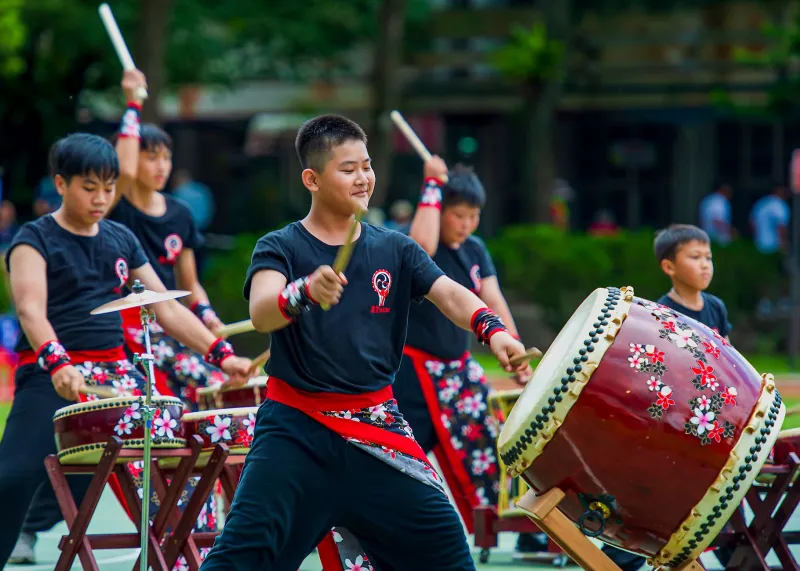
The phenomenon is not confined to the West Coast. In western North Carolina and eastern Tennessee, where mountaintop removal mining and pipeline construction have galvanized communities for decades, small but dedicated taiko groups have emerged as fixtures at environmental gatherings. Their presence reflects a broader diversification of taiko practice in America — one that has carried the drum far from its coastal urban origins into rural and Appalachian contexts.
The Blue Ridge Taiko Collective, a community ensemble based in Asheville, North Carolina, has performed at watershed protection events, reforestation fundraisers, and climate town halls across the region. For founding member Dana Whitfield, the decision to bring taiko into environmental advocacy spaces was both intuitive and deliberate. "People respond to the drum in their bodies before they respond in their minds," she says. "In a movement that is asking people to feel the urgency of something invisible — rising temperatures, disappearing species — that physical response matters enormously."
Similar stories are emerging from communities in the high desert Southwest, where water scarcity has become an existential concern. Taiko groups in Albuquerque and Tucson have performed at water rights rallies and public hearings, their drumming serving as a form of sonic testimony in spaces where bureaucratic language often dominates.
The Question of Cultural Stewardship
Not everyone within the taiko community regards this expansion of the drum's role without reservation. Some practitioners — particularly those with deep ties to Japanese American taiko traditions forged in the aftermath of World War II incarceration — emphasize the importance of maintaining the cultural integrity of the form even as its applications diversify.
"Taiko carries a specific history in this country," notes one veteran performer based in the San Francisco Bay Area, who asked to remain unnamed. "It was a tool of reclamation and identity for Japanese Americans who had been stripped of everything. That history deserves to be held carefully, even when the drum is being used for other meaningful purposes."
This perspective is widely shared and actively discussed within the taiko community. Many of the activist drummers interviewed for this article expressed deep awareness of their responsibility as cultural stewards, emphasizing ongoing study, connection to Japanese American taiko lineages, and transparent communication with audiences about the instrument's origins.
The conversation, by most accounts, is a healthy one. It reflects the maturity of a tradition that has taken root in American soil without losing its memory of where it came from.
Sound as Solidarity
What makes taiko particularly suited to environmental advocacy may ultimately come down to something elemental. The drum speaks in frequencies that human beings feel as much as hear. At a rally on the edge of a forest slated for logging, or along a riverbank threatened by industrial runoff, that physical resonance carries a particular gravity.
"The land vibrates," says Keiko Tanaka. "When we drum outside, the sound goes into the ground. It feels right. It feels like we are talking to the earth, not just about it."
For the growing number of Americans who are turning to taiko as both a cultural practice and a vehicle for civic engagement, that distinction matters deeply. The drum is not merely a backdrop for advocacy. In the hands of these performers, it is the advocacy itself — a declaration, in rhythm, that the earth deserves to be heard.
As environmental challenges continue to define American public life in the years ahead, the presence of taiko at the center of these conversations suggests something worth noting: that ancient traditions, carried forward with care and intention, can find new purpose without losing their soul. The beat goes on. And increasingly, it is speaking for the land.