Same Beat, Different Street: How Taiko Is Finding Its Voice in Jazz Clubs and Hip-Hop Studios
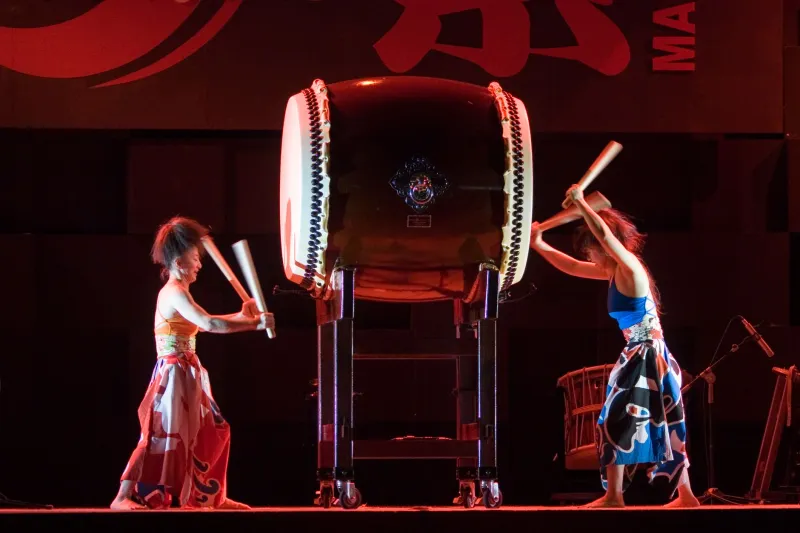
In a converted warehouse in East Oakland, a nagado-daiko sits alongside a snare drum, a set of congas, and a Roland TR-808 drum machine. The musicians gathered around these instruments have not arrived to perform a Japanese cultural showcase. They are here to rehearse — and the sound filling the room defies easy categorization. This is the frontier where taiko is quietly staking new territory in American popular music.
Over the past several years, a growing number of taiko practitioners and contemporary American musicians have begun pursuing collaborations that draw equally from traditional Japanese percussion and the improvisation-centered traditions of jazz and hip-hop. The results have been both musically striking and culturally illuminating, raising questions about what taiko is, what it can become, and what it reveals about the nature of rhythm itself.
Finding Common Ground in the Groove
At first glance, taiko and jazz might seem like an unlikely pairing. One tradition is rooted in communal ceremony, physical discipline, and the precise choreography of ensemble performance. The other prizes spontaneity, individual voice, and the kind of in-the-moment conversation that can only happen when musicians listen as intently as they play. Yet practitioners on both sides of this cultural divide have found that the differences are less significant than the shared vocabulary underneath.
"When I first played alongside a taiko group, I expected to feel like a guest in someone else's house," says Marcus Webb, a Chicago-based jazz percussionist who has collaborated with a Midwest taiko ensemble for the past three years. "What I actually felt was recognition. The way they use silence, the way a phrase builds and releases — that's the same architecture I learned studying bebop. The instrument is different. The intention is the same."
For taiko players, the encounter with jazz has been equally revelatory. The improvisational dimension of jazz, in particular, has pushed drummers trained in the structured forms of traditional taiko to engage with their instrument in new ways. Several practitioners describe the experience as liberating — a permission to listen differently and respond in real time rather than execute a predetermined score.
Hip-Hop's Rhythmic Kinship
If jazz has offered taiko a philosophical mirror, hip-hop has provided something more visceral: a shared obsession with the power of the low end. The booming, chest-resonating quality of a large odaiko shares more than a passing resemblance to the sub-bass frequencies that producers in the hip-hop tradition have long understood as the emotional engine of a track.
Producers in New York and Los Angeles have begun incorporating taiko samples into their work, drawn to the organic weight and dynamic range that digital percussion simply cannot replicate. But some collaborations have moved well beyond the sample. In several notable projects, live taiko drummers have performed alongside rappers and beatmakers, their strikes woven into arrangements that treat the ancient drum as a thoroughly contemporary instrument.
Denise Nakamura, a Los Angeles-based taiko artist who has performed with several prominent West Coast hip-hop acts, describes the connection as intuitive. "Hip-hop has always been about using what you have to say something that matters," she explains. "That's not so different from the history of taiko in America. Both traditions were built by communities that needed to be heard. When we play together, there's a shared understanding of that weight."
The cultural resonance here is not incidental. Taiko's development in the United States was itself a product of community assertion — a tradition reclaimed and reimagined by Japanese Americans as an act of cultural affirmation. Hip-hop emerged from a parallel impulse in Black and Latino communities in the South Bronx. That shared history of music as resistance lends these collaborations a depth that transcends mere sonic experimentation.
The Challenges of Cross-Cultural Collaboration
Not every encounter between taiko and American popular music has been seamless. Practitioners on both sides acknowledge real tensions — about authenticity, about representation, and about the risk of reducing a living cultural tradition to an exotic texture.
Some within the taiko community have raised concerns about collaborations that treat the drum as a novelty, drawing on its visual and sonic power without engaging seriously with the tradition it carries. These conversations are ongoing and necessary. The most thoughtful collaborators on both sides of the exchange speak with care about the responsibility that comes with borrowing across cultural lines.
"I've been very deliberate about who I work with," says Webb. "I want to collaborate with people who have done the work — who understand why taiko sounds the way it does, not just that it sounds cool. The music is better when that respect is present. You can hear it."
For her part, Nakamura emphasizes the importance of reciprocity. "I'm not just bringing taiko into someone else's project. I'm learning something too. The best collaborations change both people. If I walk away playing exactly the same way I walked in, we didn't really meet."
New Stages, New Audiences
The venues hosting these hybrid performances reflect their novelty. Taiko-jazz and taiko-hip-hop collaborations have appeared in jazz clubs, arts festivals, university concert halls, and community theaters — spaces that traditional taiko performance has not always occupied. Each context brings a different audience, many of whom are encountering taiko for the first time outside of a cultural festival setting.
This exposure matters. For younger American audiences in particular, hearing taiko in a musical context they already inhabit — whether that is a jazz set or a hip-hop showcase — changes the terms of engagement. The instrument is no longer marked exclusively as foreign or ceremonial. It becomes part of the conversation.
Several taiko organizations across the country have begun programming these collaborative events deliberately, recognizing their potential to introduce the tradition to communities that might not seek it out through conventional channels. The audiences that show up are often diverse in ways that reflect the breadth of American popular music culture itself.
What the Fusion Reveals
Perhaps the most significant thing these collaborations reveal is not about either tradition in isolation, but about rhythm as a universal language with many dialects. When a taiko drummer locks into a groove with a jazz bassist or trades phrases with a hip-hop producer, something becomes audible that is difficult to articulate but immediately felt: the recognition that the impulse to strike something in time, to make sound speak, belongs to no single culture.
Taiko has always traveled. It crossed the Pacific, took root in American soil, and transformed in the hands of communities who made it their own. Its current journey into jazz clubs and recording studios is, in that sense, entirely consistent with its history. The drum keeps moving. The beat keeps finding new streets to walk down.
For the musicians involved — whether they came to this work through a Japanese cultural tradition or through the American music they grew up with — the experience tends to confirm what they already suspected: that the deepest conversations happen not in spite of difference, but because of it.