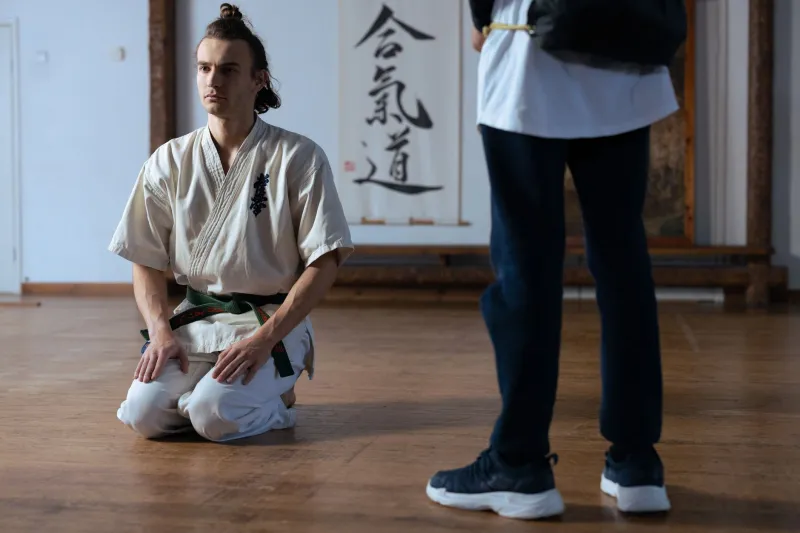
When the Drum Becomes Medicine: Inside America's Emerging Taiko Therapy Movement
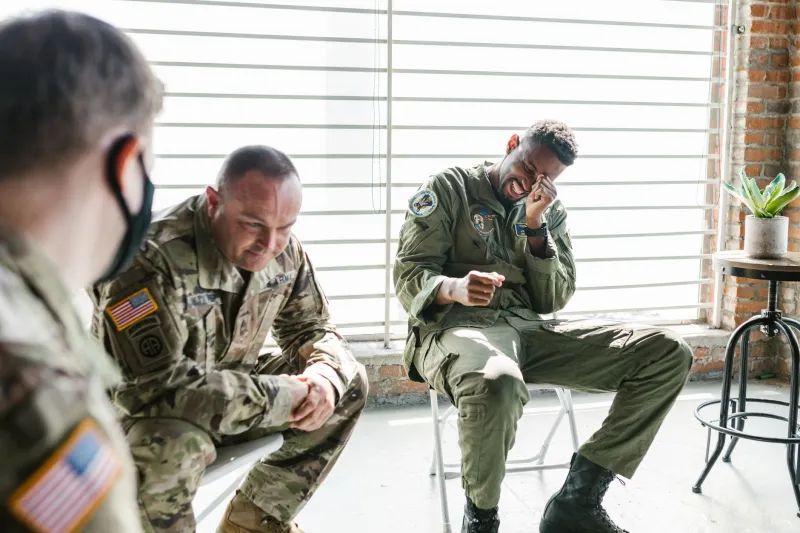
The room at the veterans' support center in San Diego looks nothing like a concert hall. There are no elaborate costumes, no elevated stage, no audience waiting in anticipation. There is only a circle of large cylindrical drums, a group of eight men and women who served in the United States military, and a facilitator guiding them through a slow, deliberate striking sequence. The sound is enormous. So, apparently, is the relief.
"I hadn't felt that present in my body in years," says one participant, a Marine Corps veteran who requested anonymity. "When you hit the drum, you can't be anywhere else. You have to be right there."
This is taiko as therapeutic intervention — and what was once a fringe concept is rapidly gaining traction in clinical and community mental health settings across the country.
A Tradition Finds an Unexpected Calling
Taiko drumming has deep roots in Japanese ceremonial, agricultural, and theatrical life. In America, it blossomed into a distinct cultural and artistic movement through the work of pioneering ensembles such as San Francisco Taiko Dojo and Kinnara Taiko, which began in the late 1960s and early 1970s. For decades, its primary home was the performance stage.
But practitioners and mental health professionals have gradually recognized something that participants seemed to intuit long before researchers could measure it: the act of striking a taiko drum produces a physiological and psychological response that is difficult to replicate through conventional therapeutic modalities alone.
Dr. Anita Reyes, a licensed clinical psychologist and trauma specialist based in Los Angeles who has integrated rhythmic body-based practices into her work with survivors of domestic violence, describes it plainly. "Trauma lives in the body," she says. "Talk therapy is essential, but it has limits when the nervous system remains stuck in a dysregulated state. Rhythmic, full-body physical engagement creates a pathway that language sometimes cannot."
What the Neuroscience Suggests
The neurological rationale for taiko-based therapy draws from several intersecting bodies of research. Scholars and clinicians frequently reference the work of psychiatrist Bessel van der Kolk, whose landmark research on trauma and the body established that traumatic memory is stored somatically — in the muscles, the gut, and the nervous system — rather than solely in the cognitive mind.
Rhythmic drumming, particularly when it involves the large muscle groups engaged during taiko — the shoulders, core, arms, and legs — appears to stimulate the vagus nerve, which plays a central role in regulating the body's stress response. Extended rhythmic activity has been associated with shifts in brainwave patterns, moving participants from hyperarousal states common in post-traumatic stress disorder toward calmer, more integrated neurological functioning.
Dr. Marcus Webb, a neuroscientist at a research university in the Pacific Northwest who has studied drumming and nervous system regulation, notes that synchronized group drumming adds another dimension. "When individuals drum together and entrain to a shared rhythm, there is evidence of increased social bonding hormones and a reduction in cortisol levels," he explains. "For people whose trauma involved profound isolation or betrayal, that communal synchrony can be genuinely reparative."
Programs Taking Shape Across the Country
Several formal programs are now operating at the intersection of taiko and trauma recovery, and their scope is widening.
In the Pacific Northwest, a nonprofit organization called Resonant Ground has developed a structured twelve-week curriculum pairing licensed therapists with trained taiko facilitators to serve survivors of sexual assault. Participants engage in both verbal processing sessions and drum-based somatic exercises, with the two modalities designed to complement each other rather than operate in isolation.
In Chicago, a community mental health clinic serving refugees and asylum seekers has incorporated taiko alongside other expressive arts therapies. The program coordinator, who has a background in both social work and traditional Japanese arts, describes the drum as a tool for restoring a sense of agency. "Many of our participants have experienced circumstances in which their bodies were not their own," she says. "Striking the drum with intention, with power, with their own hands — that reclamation matters enormously."
Veterans' organizations in Texas and Virginia have piloted taiko workshops as supplementary programming alongside established treatments for PTSD. Early participant feedback has been sufficiently encouraging that at least one program is now seeking funding to conduct a formal clinical study.
The Role of Cultural Context
Practitioners working in this space are careful to acknowledge the cultural origins of the tradition they are adapting. Taiko is not merely a set of physical techniques; it carries centuries of Japanese spiritual, communal, and artistic meaning. Several programs have chosen to maintain explicit cultural framing within their therapeutic offerings, inviting participants to understand something of taiko's history and philosophy rather than treating the drums as neutral instruments.
"We are not stripping taiko of its identity and using it as a tool," says one facilitator who trained extensively in Japan before returning to the United States to work in expressive arts therapy. "We are honoring what this tradition has always done — which is bring communities together, mark significant moments, and channel something that is larger than the individual. That's not so different from what therapy is trying to do."
This question of cultural stewardship is one that the broader taiko community in America takes seriously. Organizations such as the Taiko Community Alliance have begun facilitating conversations about how therapeutic applications of the art form can proceed respectfully and with appropriate acknowledgment of lineage.
Challenges and the Road Ahead
The movement faces real obstacles. Insurance reimbursement for drum-based therapeutic programming remains almost nonexistent within conventional mental health billing frameworks, placing financial strain on programs that often serve low-income or underserved populations. The evidence base, while promising, is still developing; rigorous randomized controlled trials are scarce, and clinicians advocating for these approaches sometimes encounter skepticism from colleagues rooted in more established evidence-based treatments.
Training is another consideration. Effective facilitation requires competence in both therapeutic practice and taiko technique — a combination that demands significant investment of time and resources to develop.
Yet the momentum is unmistakable. Graduate programs in expressive arts therapy are beginning to include rhythmic and percussion-based modalities in their curricula. Taiko ensembles across the country are fielding increasing inquiries from hospitals, community health organizations, and schools interested in therapeutic partnerships.
The Sound of Something New
Back in that San Diego circle, the session draws to a close with a long, sustained, collective strike — every drummer's bachi landing simultaneously on the drumhead, the sound rolling through the room and fading slowly into silence. For a moment, no one speaks.
The veteran who described feeling present in his body for the first time in years exhales slowly. "It doesn't fix everything," he acknowledges. "But it's something real. You can feel it in your chest afterward. Like something moved."
In clinical terms, researchers might describe what moved as cortisol levels, vagal tone, or limbic system activation. In the language of taiko, it might simply be called the resonance — the vibration that persists after the strike, invisible but undeniably present.
Whatever name one gives it, the evidence is growing that the drum has something to offer that medicine is only beginning to understand.