The Science of the Strike: What Researchers Are Discovering About Taiko's Profound Health Benefits
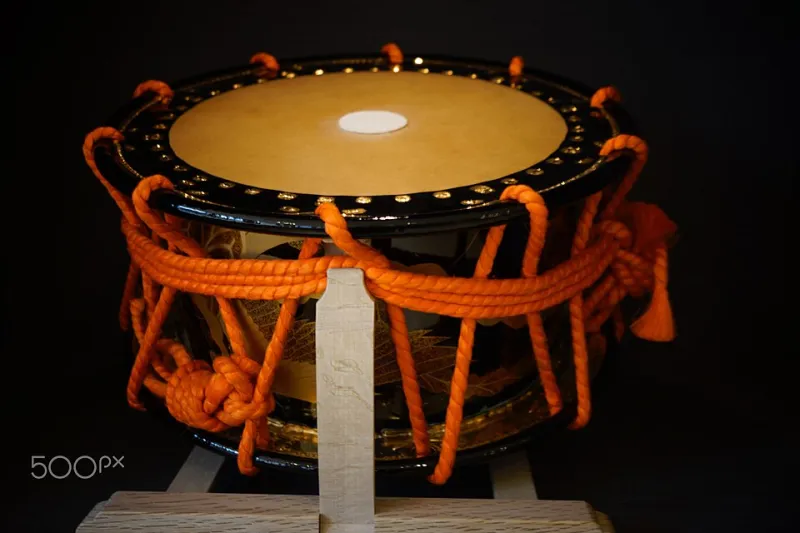
Photo: Akira Uchimura, CC BY 3.0, via Wikimedia Commons
Long before any researcher measured a cortisol level or administered a cognitive assessment to a taiko practitioner, drummers themselves understood something fundamental: playing taiko changes you. The sensation is difficult to articulate — a combination of physical exhaustion, mental clarity, and communal warmth that persists well beyond the final resonance of the drum. Now, a steadily expanding body of scientific literature is beginning to translate that felt experience into data.
For American audiences increasingly interested in evidence-based approaches to wellness, the findings are striking. Taiko drumming appears to confer measurable benefits across multiple domains of health — cardiovascular fitness, stress physiology, cognitive function, and psychological resilience — making it a practice worthy of serious attention from anyone invested in holistic well-being.
What Happens to the Body During Taiko
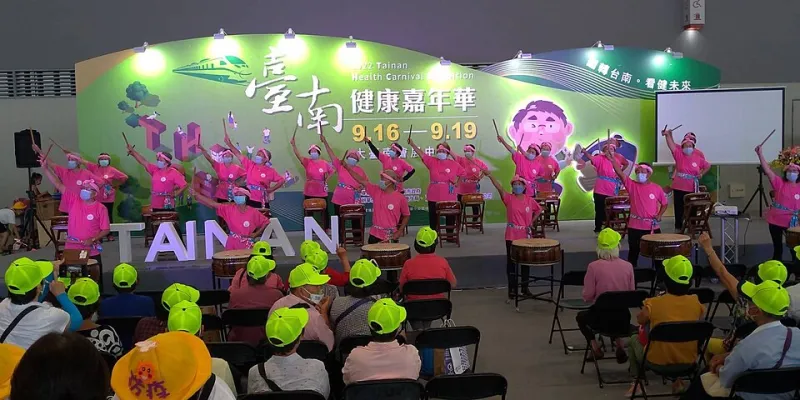
At its most fundamental level, taiko is vigorous physical exercise. A standard one-hour practice session requires sustained engagement of the core, shoulders, arms, and legs. The wide-stance hachiji dachi posture demands significant lower-body strength and stability, while the full-body rotation involved in delivering each stroke recruits muscle groups across the entire kinetic chain.
Researchers at several institutions have analyzed the metabolic demands of taiko practice. Studies published in journals focused on sports medicine and exercise physiology have found that moderate-intensity taiko drumming elevates heart rate into aerobic training zones comparable to brisk walking or light jogging, while more vigorous ensemble passages can push exertion levels toward those associated with interval training. For adults who find conventional gym routines monotonous or socially isolating, taiko offers an engaging alternative that delivers genuine cardiovascular conditioning.
"The physical demands are real and significant," notes Dr. Sandra Okafor, a kinesiologist at a research university in Southern California who has studied movement patterns in taiko performance. "But what distinguishes taiko from, say, cycling or weightlifting is that the physical effort is inseparable from musical, cognitive, and social engagement. You are doing multiple things simultaneously, and that multiplicity appears to amplify the benefits."
Stress, Cortisol, and the Rhythm Response
Perhaps the most extensively documented health benefit of rhythmic percussion practice is its effect on stress physiology. Multiple studies — including research conducted at institutions in the United States, Japan, and Europe — have demonstrated that participation in group drumming activities is associated with measurable reductions in salivary cortisol, the primary hormonal marker of physiological stress.
The mechanisms underlying this response are not yet fully understood, but researchers point to several contributing factors. Rhythmic entrainment — the process by which the nervous system synchronizes its own oscillatory activity with an external rhythmic stimulus — appears to promote parasympathetic nervous system activation, shifting the body away from the sympathetic "fight or flight" state that chronic stress maintains. The act of sustained, focused physical movement further accelerates the metabolic clearance of stress hormones. And the social dimension of ensemble drumming activates neurochemical pathways associated with bonding and safety, including the release of oxytocin.
For taiko specifically, the intensity and volume of the drums may play an additional role. Research on auditory stimulation suggests that low-frequency sound waves — of the kind generated by large taiko drums — can influence brainwave activity in ways that promote relaxed alertness, a state associated with reduced anxiety and enhanced cognitive performance.
Cognitive Function and Neuroplasticity
The cognitive demands of taiko practice are considerable. Drummers must simultaneously maintain rhythmic precision, monitor dynamic variation, respond to ensemble cues, execute physically demanding movement patterns, and sustain spatial awareness relative to their fellow performers. This dense layering of cognitive tasks makes taiko a compelling subject for neuroscientists interested in how complex activities shape the brain.
Dr. Marcus Liang, a neuroscientist whose research focuses on music cognition and aging, describes taiko as "a near-ideal intervention for promoting neuroplasticity" — the brain's capacity to form new neural connections and reorganize existing ones. "When you learn taiko, you are not merely developing motor memory," he explains. "You are building new pathways that connect auditory processing, motor control, spatial reasoning, and social cognition. The breadth of that engagement is exceptional."
Studies of older adults who engage in regular rhythmic music-making have found associations with improved working memory, enhanced processing speed, and reduced rates of cognitive decline. While taiko-specific longitudinal research in this population remains relatively limited, the existing evidence base for rhythmic percussion practice more broadly is sufficiently robust that several geriatric wellness programs in major American cities have incorporated taiko-inspired drumming into their activity offerings.
Personal Testimony: Beyond the Data
Quantitative findings tell part of the story. The lived experiences of practitioners illuminate dimensions that no measurement instrument fully captures.
Denise Carrera, a forty-seven-year-old registered nurse in Seattle who began taiko practice three years ago following a period of significant professional burnout, describes the transformation in direct terms. "I had tried yoga, therapy, medication adjustments — all useful in their own ways. But taiko was the first thing that made me feel genuinely strong again. Not just calmer. Strong. There is a difference."
For Robert Tanaka, a sixty-three-year-old retired educator in Honolulu who joined a community taiko group after his wife's passing, the social and emotional dimensions of practice proved paramount. "The dojo became my community. The discipline gave me structure when I had none. And something about making that much noise with other people — there is a release in it that I had not anticipated."
These testimonies reflect a pattern that taiko instructors encounter regularly. The practice tends to engage practitioners on multiple levels simultaneously, addressing physical, emotional, and social needs in a single integrated discipline.
Practical Guidance for Prospective Practitioners
For readers considering taiko as a wellness practice, several points merit attention. Most community taiko groups in the United States welcome adult beginners with no prior musical or martial arts background, and introductory workshops — typically lasting between ninety minutes and a full day — are widely available in metropolitan areas. Organizations such as the Taiko Community Alliance maintain directories of active groups nationwide.
Physical readiness is worth considering. While taiko is broadly accessible, the demands on the lower back, shoulders, and wrists are meaningful. Practitioners with existing orthopedic concerns are advised to consult a physician before beginning and to communicate openly with instructors about any limitations. Reputable dojos will adjust technique and intensity accordingly.
Consistency, as with any wellness practice, determines outcome. Research suggests that benefits accumulate most meaningfully with regular participation — ideally weekly or more frequent practice over a period of months rather than sporadic attendance.
The drum does not distinguish between those who arrive for cultural enrichment, physical conditioning, or the simple desire to make a powerful sound in the company of others. What the science is now confirming is what the tradition has always promised: the strike matters, the rhythm heals, and the resonance endures.