Beating as One: How Fortune 500 Companies Are Discovering Taiko as the Ultimate Team-Building Experience
Photo: Hullian111, CC BY-SA 4.0, via Wikimedia Commons
For decades, the American corporate team-building industry has cycled through a familiar roster of activities — ropes courses, improv comedy classes, escape rooms, and the now-legendary (and largely mocked) trust fall. Yet something genuinely different is emerging in boardrooms and breakout sessions across the country. Companies ranging from mid-sized tech startups to globally recognized Fortune 500 firms are inviting taiko instructors into their offices, and the results, by nearly every account, are striking.
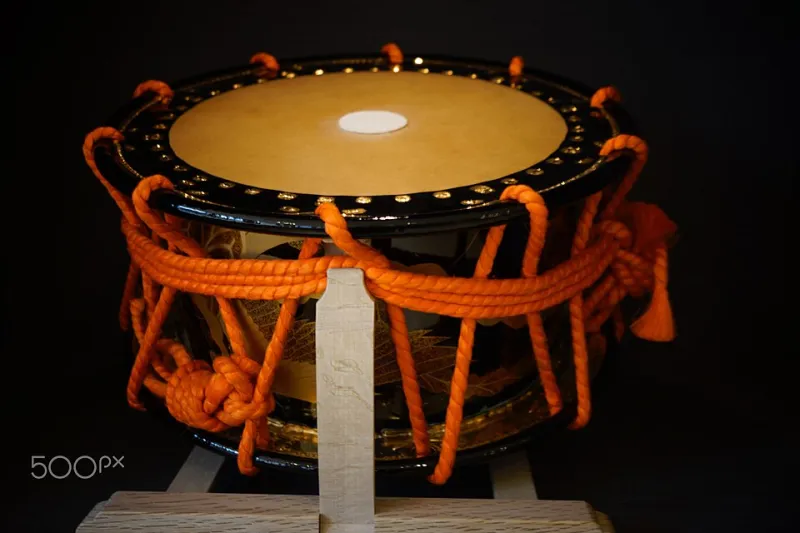
Taiko — the umbrella term for traditional Japanese ensemble drumming — is not merely about making noise. It demands synchronized listening, physical presence, and a form of nonverbal communication that many organizational psychologists argue mirrors exactly what high-performing teams require. The drum, it turns out, has something to teach the modern workplace.
Why Taiko and Why Now
The timing of taiko's corporate rise is not coincidental. The post-pandemic workplace has left many organizations grappling with fractured team cohesion, the emotional distance introduced by hybrid work models, and a workforce increasingly resistant to performative bonding exercises. Employees, particularly younger ones, have grown skeptical of activities that feel disconnected from authentic experience.
"People can tell when they're being managed through an activity," says Keiko Tanaka, a Los Angeles-based taiko instructor who has led corporate workshops for technology firms, healthcare networks, and financial institutions over the past seven years. "What makes taiko different is that it demands your full attention immediately. You cannot be distracted by your phone. You cannot fake it. The drum makes that very clear, very quickly."
Tanaka's observation touches on something that organizational behavior researchers have begun documenting more formally. A 2022 study published in the Journal of Occupational Health Psychology noted that rhythmic group activities — drumming in particular — produce measurable reductions in cortisol levels and foster a sense of collective efficacy among participants. For HR leaders searching for evidence-based programming, that kind of data matters.
What Actually Happens in a Corporate Taiko Workshop
For those unfamiliar with the format, a corporate taiko session typically unfolds over two to four hours and requires no prior musical experience. Participants are introduced to the fundamentals of striking technique, proper posture, and the concept of ki — a Japanese term broadly translating to vital energy or intentional presence. From there, groups learn short rhythmic patterns that must be performed in unison.
The challenge is deceptively simple. Maintaining synchronization with a group of twenty or thirty colleagues requires active listening, peripheral awareness, and a willingness to subordinate individual timing to the group's collective rhythm. When the ensemble falls out of sync — and it invariably does — the breakdown is audible and immediate. There is no ambiguity, no room for passive participation.
"In most meetings, you can drift," notes Marcus Webb, Director of People Operations at a mid-sized software company in Austin, Texas, who organized a taiko workshop for his team of forty-five employees last spring. "In taiko, the group immediately knows if someone isn't present. And interestingly, nobody felt embarrassed by that. They laughed, reset, and tried again. That kind of psychological safety is exactly what we're trying to build in the workplace."
Webb reported that post-workshop survey responses showed a 34 percent increase in employees' self-reported sense of connection to their colleagues — a figure that exceeded the results from three previous team-building initiatives his department had run over the same period.
The Cultural Dimension: Respect, Intention, and Presence
One element that distinguishes taiko workshops from conventional corporate activities is their grounding in Japanese cultural philosophy. Responsible instructors take care to contextualize the art form — explaining its historical roots in agricultural rituals, Buddhist ceremonies, and community festivals — before placing a bachi (drumstick) in a participant's hands.
This cultural framing, rather than serving as a distraction, appears to deepen the experience for many participants. "There is something in learning that this practice has been refined over centuries that changes how people approach it," says Hiroshi Nakamura, who leads workshops for corporate clients across the Pacific Northwest. "They become more curious, more respectful of the process. It shifts the energy in the room."
For companies with diverse workforces — and in 2024, most significant American employers qualify — the cross-cultural dimension of taiko carries additional value. It introduces employees to a tradition outside their own cultural reference points, creating shared discovery rather than shared familiarity. Several HR professionals interviewed for this article noted that taiko workshops generated more cross-departmental conversation than any prior initiative, precisely because everyone entered the room as an equal beginner.
Measuring the Impact Beyond the Workshop
The more demanding question, of course, is whether the effects of a taiko workshop persist beyond the afternoon it occurs. Anecdotal evidence from HR professionals suggests that the shared memory of a difficult, joyful, and genuinely surprising experience creates durable social bonds — what organizational psychologists sometimes call "peak shared experiences."
Nakamura has begun following up with corporate clients three months after workshops and reports that a majority describe lasting changes in how teams communicate during high-pressure projects. "Several managers have told me that when a meeting gets tense, someone will say, 'Remember when we all fell apart on that rhythm and had to start over?' It becomes a reference point for resilience."
For a practice rooted in the communal heartbeat of Japanese village life, that kind of resonance may be precisely the point. The drum has always gathered people together. In American corporate culture, it appears to be doing exactly that — one strike at a time.
Taiko Mu covers the intersection of Japanese cultural traditions and American life. For information on taiko workshops and instructors near you, explore our Live Performance & Arts directory.