Rhythm on Screen: The Rise of Taiko Documentaries and What They Reveal About America's Deepening Fascination With Japanese Percussion
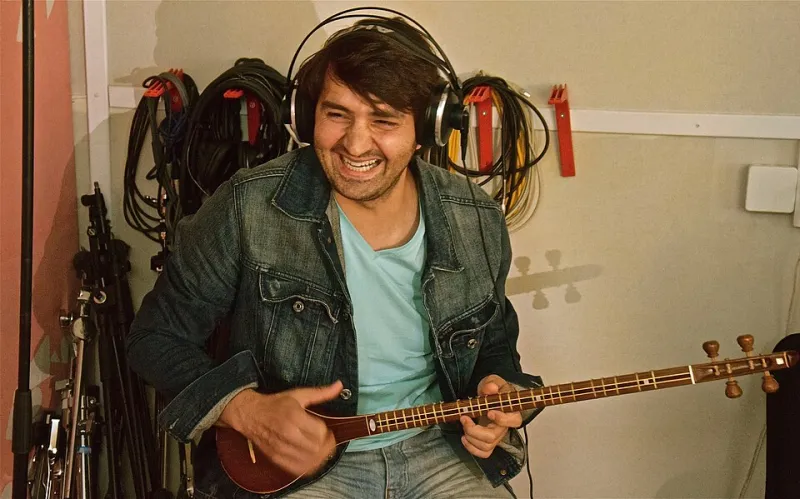
Photo: Ahmadakedabir, CC BY-SA 4.0, via Wikimedia Commons
There is a particular kind of documentary that arrives at exactly the right cultural moment — one that answers a question audiences did not yet know they were asking. The recent surge of taiko-focused films reaching American streaming platforms suggests that this ancient Japanese art form has arrived at precisely such a moment. Audiences who may never have attended a live taiko performance are watching these stories with sustained attention, sharing them on social media, and in some cases, searching for their nearest taiko dojo within hours of the credits rolling.
This is not accidental. The confluence of broadened streaming distribution, a post-pandemic appetite for communal and physical art forms, and America's evolving relationship with Japanese culture has created fertile ground for taiko's cinematic emergence. The drum, it appears, photographs beautifully — and its stories translate across cultural lines with remarkable ease.
A Genre Takes Shape
The taiko documentary is not an entirely new form. Pioneering films chronicling the founding of legendary ensembles such as Kodo on Sado Island and the early history of San Jose Taiko in California's Bay Area laid important groundwork decades ago. What distinguishes the current moment is scale, distribution reach, and the diversity of stories being told.
Where earlier films were primarily accessible through Japanese American community networks, film festivals, or educational institutions, today's taiko documentaries are landing on platforms with tens of millions of subscribers. Short-form documentary content on YouTube channels dedicated to world music and cultural arts has introduced taiko to audiences in the American South and Midwest who might otherwise have had no meaningful exposure to the tradition.
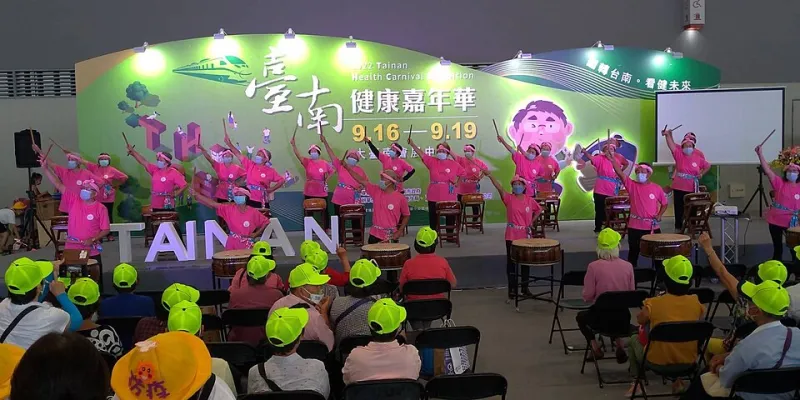
"The algorithm has become an unexpected ambassador," observes documentary filmmaker Dana Ostrowski, whose short film profiling a multigenerational taiko group in Chicago earned over two million views within its first three months on a major streaming platform. "People watch two minutes of a grandmother and her teenage granddaughter playing together on these enormous drums and they are immediately captivated. The visual power of taiko is almost unfair."
What These Films Are Actually About
The most significant taiko documentaries reaching American audiences in recent years share a common structural quality: they use the drum as a lens through which to examine something larger. Identity, immigration, generational inheritance, physical discipline, community — these are the true subjects of the genre's most compelling entries.
One widely discussed recent documentary follows a Japanese American taiko group in Los Angeles as it prepares for a major performance while simultaneously grappling with questions of cultural authenticity and the evolving demographics of its membership. The film raises pointed questions about who owns a cultural tradition, how it changes when practiced by people several generations removed from Japan, and whether adaptation represents vitality or dilution. American audiences, many of whom are themselves navigating questions of cultural heritage and belonging, have found these themes immediately legible.
Another notable entry profiles a competitive collegiate taiko circuit, revealing a world most Americans had no idea existed — one populated by college students who train with the intensity of varsity athletes and speak about taiko with the vocabulary of dedicated artists. The film's treatment of discipline, mentorship, and the pursuit of collective excellence resonated strongly with viewers accustomed to sports documentaries, effectively translating taiko's rigor into a familiar American register.
The Filmmakers' Perspective: Navigating Cultural Translation
Creating documentaries about Japanese cultural traditions for American audiences involves a set of responsibilities that thoughtful filmmakers navigate carefully. The risk of exoticizing a living practice — reducing it to spectacle rather than honoring its depth — is one that several directors interviewed for this article acknowledged directly.
"I was very conscious of not making a film that treated taiko as strange or foreign," says filmmaker Rachel Cho, a Korean American director whose documentary on a New York taiko ensemble has screened at several major American film festivals. "These are people who live in the same cities as my audience, who shop at the same grocery stores, who worry about rent. The taiko is part of how they make meaning in an ordinary American life. That's the story I wanted to tell."
Cho's approach — grounding the art form in recognizable American contexts while honoring its Japanese cultural specificity — has become something of a model for the genre. Films that strike this balance tend to perform better with general American audiences while also earning the respect of Japanese American communities who are rightly attentive to how their traditions are represented.
The Practitioner Pipeline: From Screen to Studio
Perhaps the most consequential effect of the documentary boom is its demonstrable impact on taiko enrollment across the United States. Instructors and dojo administrators from Seattle to Atlanta report meaningful upticks in inquiries from prospective students who cite a documentary or streaming video as their point of entry.
"I ask every new student how they found us," says Yuki Matsumoto, who directs a taiko program in Denver, Colorado. "In 2019, most people said they saw us perform at a festival or heard about us from a friend. Now, easily half say they watched something online. The films are doing genuine outreach work that no marketing budget could replicate."
This pipeline from screen to studio represents something meaningful for the long-term vitality of taiko in America. Documentary filmmaking, at its best, does not merely observe a culture — it participates in its transmission. The stories being told about taiko on American streaming platforms are, in a very real sense, becoming part of taiko's American story.
For a tradition that has always carried communal memory through sound, the addition of moving image as a vehicle for that memory feels not like an intrusion, but like an expansion. The drum speaks. Now, increasingly, the screen listens.
Taiko Mu is dedicated to bringing the depth of Japanese percussion culture to American audiences. Explore our Live Performance & Arts coverage for reviews, profiles, and event listings from taiko communities across the United States.